Community Health Update
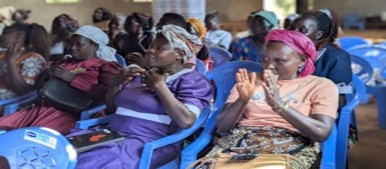
Good health starts with good information and for many women in our community, this seminar was the first time they had a safe space to ask the questions that matter most. Our latest health education session brought together women for an eye-opening conversation on the conditions most likely to affect them and their families, led by qualified health officer Wambui.
The goal was simple but powerful: help women recognize warning signs early, understand their risks, and know what steps to take to protect their own health and that of their loved ones. The session covered four key topics cancer (with a focus on breast and cervical cancer), high blood pressure (hypertension), tuberculosis (TB), and HIV/AIDS.
Recognizing the Signs
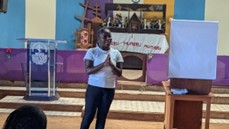
Wambui broke down each condition in simple, relatable language, starting with the warning signs women should never ignore. These included unusual bleeding, a persistent cough (especially where TB is concerned), constant fatigue, unexplained weight loss, breast lumps, and severe headaches. Understanding these signs helps women know exactly when it’s time to see a doctor rather than wait and hope symptoms pass.
Understanding the Risks
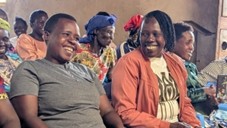
The session also unpacked the everyday causes and risk factors behind these conditions. Poor diet and chronic stress were linked to high blood pressure, unprotected sexual activity was identified as a key HIV risk factor, close contact with infected individuals was shown to spread TB, and skipping regular screenings was tied to higher cancer risk.
By connecting these conditions to everyday choices and environments, women left with a clearer picture of how their daily habits directly shape their long-term health.
Prevention: The Best Medicine
Prevention was the heartbeat of the session. Women were encouraged to take practical, everyday steps to protect themselves and their families, including:
- Attending regular health check-ups and screenings, especially for breast and cervical cancer
- Maintaining a healthy diet and active lifestyle
- Practicing proper hygiene and avoiding overcrowded spaces where possible
- Using protection and remaining faithful to reduce HIV risk
- Ensuring good ventilation at home to lower the risk of TB transmission
Wambui emphasized that early testing and treatment can make all the difference — many of these conditions are far easier to manage, or even fully treatable, when caught early. Women were urged not to ignore symptoms or rely on traditional assumptions, but to seek medical attention promptly.
A Conversation, Not Just a Lecture
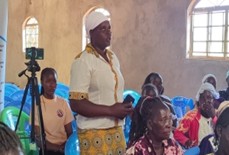
What made this session truly impactful was how interactive it was. Women asked real, pressing questions — how to spot early signs of cancer, whether HIV is still a common risk today and how to protect their families, what to do if someone shows signs of TB, and whether high blood pressure can be managed without medication.
Wambui answered each question with patience and clarity, using the opportunity to gently correct myths and misconceptions — particularly around HIV/AIDS and cancer, two conditions often clouded by stigma and misinformation.
Building Confidence, Reducing Fear
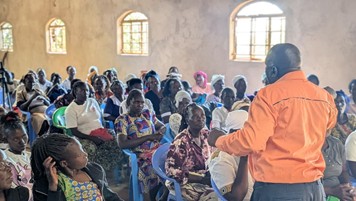
By the end of the session, something had shifted in the room. Fear had given way to understanding, and silence had given way to open conversation. Many participants expressed genuine appreciation for the information shared and voiced a new willingness to seek medical services going forward — a small but meaningful step toward healthier families and a healthier community.
Key Outcomes
- Increased awareness on major health issues affecting women
- Improved knowledge on prevention and early detection of diseases
Want to support more health education sessions like this one? Reach out to learn how you can get involved.